
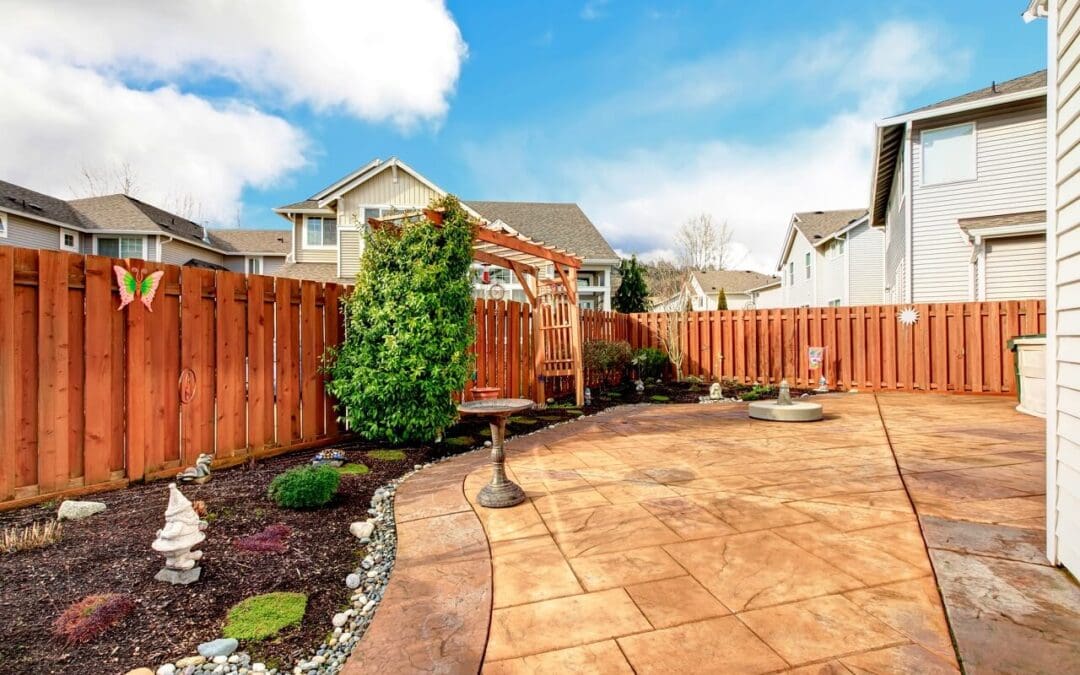
Outdoor spaces have become an extension of the home, and more homeowners are looking for ways to make their yards both functional and beautiful. One of the most effective ways to achieve this is through hardscaping. The benefits of hardscaping go far beyond aesthetics. By incorporating features such as patios, walkways, retaining walls, and stone pathways, homeowners can transform underused outdoor areas into practical, attractive living spaces. Hardscaping refers to the non-living elements in landscape design, materials like stone, brick, concrete, gravel, and wood that shape and structure an outdoor environment. While plants and lawns add softness and color, hardscaping provides the framework that makes a yard usable and organized. From improved durability to better outdoor entertaining opportunities, the advantages are numerous.
The Benefits of Hardscaping for Low-Maintenance Landscaping
One of the most appealing benefits of hardscaping is the reduction in outdoor maintenance. Traditional lawns and gardens often require regular watering, mowing, fertilizing, and trimming. Hardscape elements significantly reduce the amount of work needed to keep a yard looking polished. Stone patios, gravel pathways, and paved seating areas eliminate large patches of grass that would otherwise need constant care. Once installed, these features require minimal upkeep compared to living landscapes. Occasional cleaning or sealing may be necessary, but the time investment is far lower than maintaining extensive greenery. For busy homeowners or those who prefer a tidy outdoor space without constant yard work, hardscaping offers an ideal solution.
Increased Property Value and Curb Appeal
Another major advantage is the impact hardscaping can have on a home’s value. Professionally designed patios, driveways, and pathways create a refined look that instantly enhances curb appeal. Buyers are often drawn to homes with well-designed outdoor spaces because they see them as extensions of the living area. A stylish stone patio or well-placed walkway could make a property stand out in the market. These features create visual structure and give the landscape a finished appearance. The benefits of hardscaping become especially noticeable when a property transitions from a plain lawn to a thoughtfully designed outdoor environment that invites relaxation and entertainment.
Creating Functional Outdoor Living Spaces
Outdoor living is more popular than ever, and hardscaping plays a key role in making outdoor areas usable. Patios provide areas for dining and socializing. Fire pits create cozy gathering spots. Walkways make it easier and safer to move around the property. Retaining walls could double as seating or create tiered garden spaces that add depth and character. By adding these structural elements, homeowners will turn their yards into outdoor rooms that feel just as comfortable as indoor spaces.
The Benefits of Hardscaping for Drainage and Erosion Control
Beyond aesthetics and functionality, hardscaping will solve practical landscape problems. Many yards struggle with drainage issues, soil erosion, or uneven terrain. Strategically placed retaining walls help hold soil in place on sloped properties. Permeable pavers can improve drainage by allowing water to pass through rather than pool on the surface. Gravel pathways and stone borders also help direct water away from the home’s foundation. These structural improvements protect landscaping investments and help maintain the stability of the property over time.
The Benefits of Hardscaping That Lasts for Years
Hardscape materials are designed to withstand the elements. Stone, brick, and concrete are known for their strength and longevity. When properly installed, many hardscape features could last for decades. Unlike plants that may die due to weather changes or seasonal cycles, hardscape structures maintain their appearance and function year-round. This durability makes them a long-term investment in the home’s outdoor environment. For homeowners looking to create a landscape that remains attractive without frequent replacements, the benefits of hardscaping are clear.
A Balanced Landscape Design
The most attractive outdoor spaces combine both soft landscaping and hardscaping. Too many plants could look overgrown, while too many hard surfaces may feel cold or sterile. The key is balance. Hardscaping provides structure and flow, guiding visitors through the yard and highlighting focal points like gardens or water features. Paths lead guests naturally through the space, while patios and seating areas invite people to linger and enjoy the surroundings. When thoughtfully integrated, hardscape elements enhance the natural beauty of plants rather than competing with them.
Frequently Asked Questions (FAQs)
What is considered hardscaping?
Hardscaping includes any non-living element used in landscaping design. This typically involves materials such as stone, brick, concrete, pavers, wood, and gravel used for patios, walkways, retaining walls, driveways, fire pits, and outdoor kitchens.
Is hardscaping expensive?
Costs vary depending on the materials used and the size of the project. While the initial investment may be higher than traditional landscaping, hardscape features often last much longer and require less maintenance, making them cost-effective over time.
Can hardscaping help with drainage problems?
Absolutely. Features like retaining walls, permeable pavers, and gravel beds will help control water flow and reduce soil erosion, protecting both landscaping and the home’s foundation.
How much hardscaping should a yard have?
There’s no single rule, but many landscape designers recommend a balanced approach. Combining hardscape elements with plants, lawns, and trees creates a visually appealing and functional outdoor space.
Porch Light Home Inspections offers home energy assessments to customers in the central Oregon area. Contact us to schedule our services if you’re buying or selling a home.